Carpentry + wood repair
Repair the damaged wood before paint turns it into a hidden problem.
When paint keeps peeling in one place, the coating may not be the real issue. Trim, fascia, soffit, siding details, doors, or interior finish wood can soften, swell, crack, separate, or fail at the joints. Daltonn looks at the damaged area and the surrounding finish together so the repair boundary makes sense and the new work can be prepared to blend with the home.
Ask about this project See an actual carpentry & wood repair project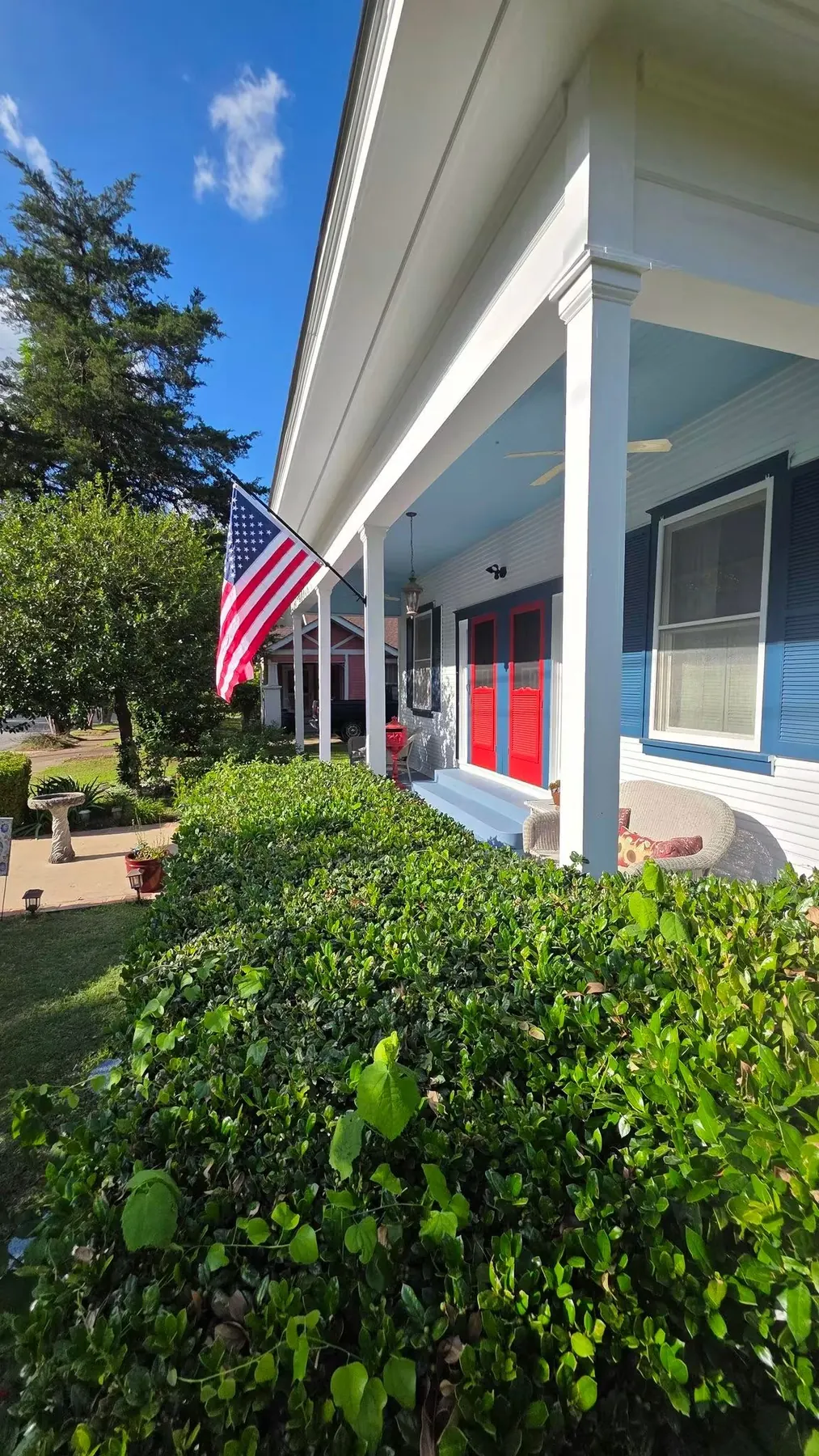
When this service helps
Localized wood rot, fascia, soffit, chimney trim, Hardie, siding-detail, door, baseboard, and finish-wood repairs coordinated with paint.
Wood repair is worth discussing when you find soft spots, swelling, open joints, cracked boards, repeated paint failure, or trim that no longer meets cleanly. It may be a focused repair or part of a larger exterior or interior project. The important question is where the damage stops and what caused it, because the repair should address the failed material rather than simply cover the visible edge.
The first step is defining the repair honestly. Daltonn looks for the transition between failed and sound material, checks how the area meets nearby surfaces, and includes the agreed repair in a clear scope. Localized removal, fitting, caulk, primer, and finish work are planned together so the repaired area connects cleanly to the home. If the opened area reveals damage beyond the original scope, Daltonn explains it and documents the change before additional work moves forward.
Who you deal with: Daltonn. He looks at the job, puts the scope in writing, works the project, tells you about any changes, and walks the finished work with you. If another project comes up later, you already have someone to call.
What may be included
A scope built around the surface.
- Localized exterior trim, fascia, and soffit repair
- Selected siding, Hardie replacement where appropriate, and architectural wood details
- Chimney corner boards, exterior trim, and failed caulk removal or replacement
- Door trim, casing, baseboards, and small interior finish work
- Removal and replacement of clearly failed material within the agreed scope
- Caulk, primer, paint, or stain coordination after the repair
- Transition planning so new work meets existing surfaces cleanly
What Daltonn looks at first
Condition before coating.
- Soft, swollen, split, loose, or previously patched material
- Water paths, failed joints, open caulk, and repeated paint failure
- The practical boundary between repairable and sound material
- Profiles, dimensions, and finish details needed for a visual match
- How the repair affects surrounding paint, stain, siding, or trim
Questions homeowners ask
Clear answers before the estimate.
Can you paint over soft or damaged wood?+
Paint will not restore failed material. Daltonn can help identify the damaged area and discuss whether localized replacement should happen before the finish work.
Will the new wood look exactly like the old trim?+
The goal is a clean transition using an appropriate profile and finish, but age, material, texture, and existing paint can affect how closely new and old surfaces match.
Do you handle large structural repairs?+
Daltonn’s focus is finish carpentry and localized wood repair. Larger structural, framing, roofing, or active water-source work may need a specialist before paint and finish work begin.
Talk through the condition
Tell Daltonn what you are seeing.
Share the city, the surfaces involved, and the result you want. Daltonn can use those details to plan the next conversation and a clear estimate.